
How Fashion Small Business Owners Can Build a Loyal Customer Community


By Contributing Author; Courtney Rosenfeld
This piece is part of our ongoing series on building sustainable fashion businesses. Contributing author Courtney Rosenfeld shares her framework for turning customers into a community.
Fashion-based small business owners face a familiar challenge: how do you turn a one-time purchase into an ongoing relationship? A boutique, streetwear label, or handmade accessories brand can generate excitement with a launch or sale—but long-term growth comes from something deeper. It comes from the community. When customers feel like they belong to your brand—not just buy from it—they return, refer friends, and advocate for you. That shift from transaction to connection is where loyalty lives. Read on to learn how Fashion Small Business Owners Can Build a Loyal Customer Community.
Speaking of community — if you're a fashion entrepreneur looking for exactly that kind of belonging for yourself, IFD Connect is our online membership built for people like you. Join a network of independent fashion business owners sharing resources, wins, and real talk.
A Quick Snapshot Before We Dive In
If you’re short on time, here’s the essence:
Transactions build revenue. Community builds durability.
Events create shared memories.
Storytelling gives customers something to believe in.
Symbols (products, merch, rituals) reinforce belonging.
Consistency—not scale—is what turns buyers into insiders.
Now let’s break down how to actually do this.
The Real Problem: Sales Without Stickiness
Many fashion entrepreneurs focus heavily on acquisition—ads, influencer partnerships, product drops. Those matter. But if customers only interact with you when they need something, you’re constantly starting from zero.
The solution isn’t louder marketing. It’s a deeper engagement.
When someone feels seen, included, and invited into a story, they stop being “a customer” and start becoming “part of the brand.”
Result? Higher repeat purchases, stronger word-of-mouth, and resilience during slow seasons.

Designing Shared Experiences That Go Beyond the Rack
Community forms when people experience something together. In fashion, that’s your advantage—you already operate in an expressive, identity-driven space.
Consider hosting:
In-store styling workshops or capsule wardrobe sessions
Launch-night previews for loyal customers
Behind-the-scenes design talks (virtual or in person)
Customer appreciation nights with small perks
These events don’t need to be extravagant. They need to feel intentional. A 20-person gathering with thoughtful interaction beats a packed event with no connection.
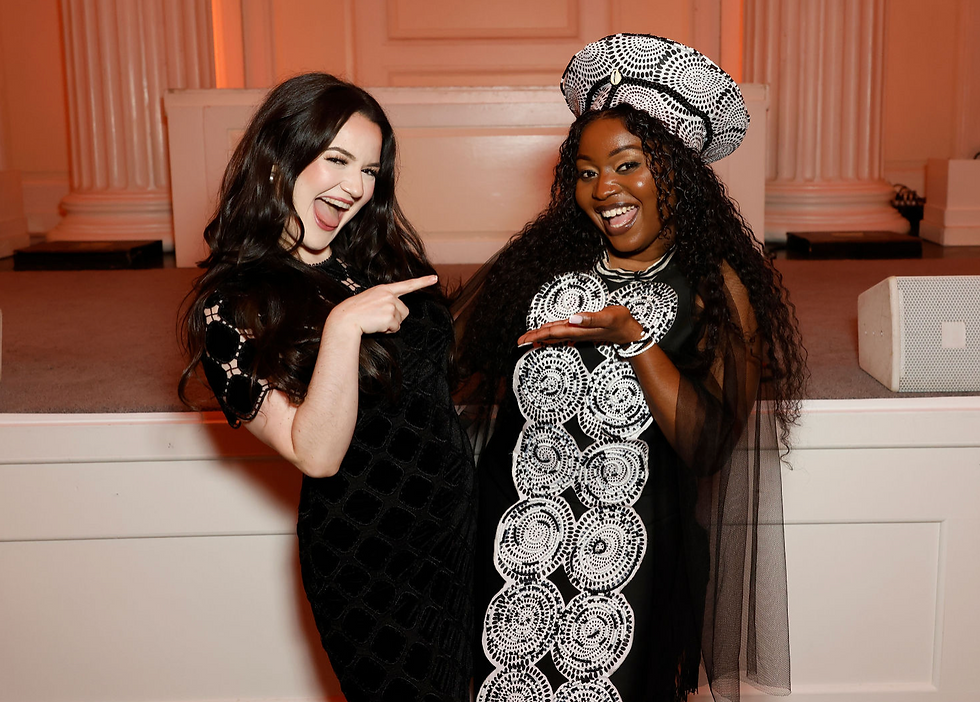
Shared experiences create emotional anchors. People remember where they were when they discovered a new collection—or who they met at your pop-up.

Turning Everyday Products into Belonging Signals
Sometimes, community is reinforced through small, symbolic items that customers use regularly. For example, offering limited-edition customized mugs as part of a loyalty milestone or event giveaway can transform a simple object into a shared emblem of your brand. With the right design and printing partner—one that provides multiple mug styles, full-wrap and accent printing options, transparent pricing, and dependable delivery—you can create pieces that feel thoughtful rather than generic. When customers sip their morning coffee from something tied to your boutique’s anniversary night or styling workshop, your brand becomes part of their daily ritual.
Symbols matter. They quietly reinforce identity.

Storytelling: The Thread That Holds It Together
Clothing already tells stories. Your brand should too.
Instead of only posting product photos, share:
Why you started your label
The inspiration behind a collection
The local supplier you’re proud to work with
Customer spotlights and styling journeys
Stories humanize your business. They create emotional context around what you sell.
Story Framework You Can Use
Problem: Customers want pieces that feel personal, not mass-produced.
Solution: You design small-batch collections inspired by real community input.
Result: Shoppers feel like collaborators, not just buyers.
This narrative structure clarifies your role in your customers’ lives. It gives them something to repeat when they talk about you.
Building a Simple Community Ritual System
You don’t need a massive strategy. Start with repeatable rituals.

Community Ritual Checklist
☐ Welcome new customers with a personalized thank-you note
☐ Feature one customer each week on social media
☐ Host at least one quarterly gathering (online or in-person)
☐ Create a named loyalty tier (e.g., “Founders Circle”)
☐ Ask your audience to vote on one design element per season
Consistency turns these small actions into culture.
Choosing the Right Community Tactics for Your Stage
Not every tactic fits every business size. Here’s a quick comparison:
Business Stage | Best Community Focus | Why It Works |
Early-stage boutique | Intimate events & founder stories | Builds trust and personality |
Growing e-commerce brand | Loyalty perks & digital workshops | Scales engagement beyond location |
Established local label | Collaborations & ambassador programs | Expands reach through shared identity |
Align your strategy with your capacity. Community should energize you, not overwhelm you.

A Resource for Building Stronger Brand Communities
If you want to deepen your understanding of how brands cultivate belonging, the book “Building Brand Communities” by Carrie Melissa Jones and Charles H. Vogl is a practical starting point. It outlines frameworks for fostering meaningful connections and shared identity within organizations and customer bases.
Studying community-building outside of fashion can spark ideas you can adapt to your own brand.
Frequently Asked Questions
How do I build community if I don’t have a physical store?
Start digit what's it called outally. Host live styling sessions on Instagram, create a private customer group, or run virtual launch events. Community is about interaction, not square footage.
What if my audience is small?
Small is powerful. It’s easier to create a genuine connection with 100 engaged customers than 10,000 passive followers. Depth beats width early on.
Do loyalty programs really work for fashion brands?
Yes—when they feel exclusive and meaningful. Points alone aren’t enough. Combine perks with recognition, early access, and shared experiences.
Yeah
The Long View
Community is not a campaign. It’s a posture. And over time, customers stop asking, “What’s new?” and start saying, “What are we doing next?”

Ready to Build Your Community? Start with IFD.
The strategies outlined here don't have to be built alone. Inside Fashion Design (ifd) exists precisely for this — a community of fashion-based small-business owners who are doing the work of building meaningful brands together. Whether you're looking for your next collaborator, a sounding board for your next collection, or simply a room full of people who get it, ifd is where those connections happen. Join us at our next event, follow along, and step into a community that believes your brand is stronger when it's backed by real relationships.


The idea that loyalty comes from consistent small interactions rather than one big campaign feels right. Remembering preferences and offering relevant rewards can make customers feel recognized instead of treated like another transaction. This matters in other types of retail too, where a dispensary point of sale can connect purchase history with loyalty tools and support more personal service.
Great article. The instructions are clear, well organised, and easy to follow from beginning to end. I was searching for a dependable pin download, and this guide helped me download Pinterest content without any confusion. It's refreshing to find information that actually works as described. Keep up the excellent work.
Great insights on the importance of building community over just driving transactions! For small fashion brands, authentic engagement and storytelling really are key to creating long-term loyalty. When running a small business gets overwhelming and you find yourself wishing someone could do my assignment for me during peak busy periods, having a dedicated community behind you makes all the difference. Thanks for sharing these practical strategies for sustainable growth!
Building genuine connections instead of chasing quick sales is truly key, and brands like kablora also prove that loyal communities grow from consistent, thoughtful engagement.
Really enjoyed this perspective on building genuine customer communities in fashion. The focus on storytelling, shared experiences, and creating meaningful connections is so important for long-term brand growth. A timeless piece like a Women's fashion leather jacket also becomes part of that identity, helping customers feel connected to a brand’s style and personality. Great insights throughout!