
How the Fashion Industry Uses Trend Forecasting to Build Sellable, Relevant Collections, Explained

by Contributing Writer, Lisa Walker
The fashion industry operates on anticipation. Designers, merchandisers, buyers, and product developers must decide on colors, fabrics, and silhouettes months—sometimes years—before consumers are ready to buy them. Trend forecasting is the structured discipline that helps fashion brands reduce uncertainty by analyzing data, consumer behavior, and cultural shifts to predict what will resonate next.
Rather than relying on instinct alone, modern forecasting blends analytics, runway intelligence, social listening, and agency reports from firms such as WGSN to align creative direction with market demand.
The Big Picture: Why Forecasting Matters Now
Consumer expectations are fragmenting.
Overproduction is financially and environmentally costly.
Lifestyle shifts (remote work, wellness, sustainability) reshape purchasing patterns.
Brands that forecast well don’t just “predict trends.” They interpret signals early enough to adjust assortments, production volumes, and storytelling before the market peaks.
The result: fewer markdowns, stronger sell-through, and collections that feel timely instead of reactive.
From Signal to Silhouette: How Forecasting Actually Works
Trend forecasting typically follows a Problem → Solution → Result pathway.
Problem: Collections are developed too far from real consumer demand.
Solution: Aggregate data from cultural shifts, sales analytics, catwalk analysis, and digital engagement signals.
Result: Product lines that align with emerging needs—before they become mainstream.
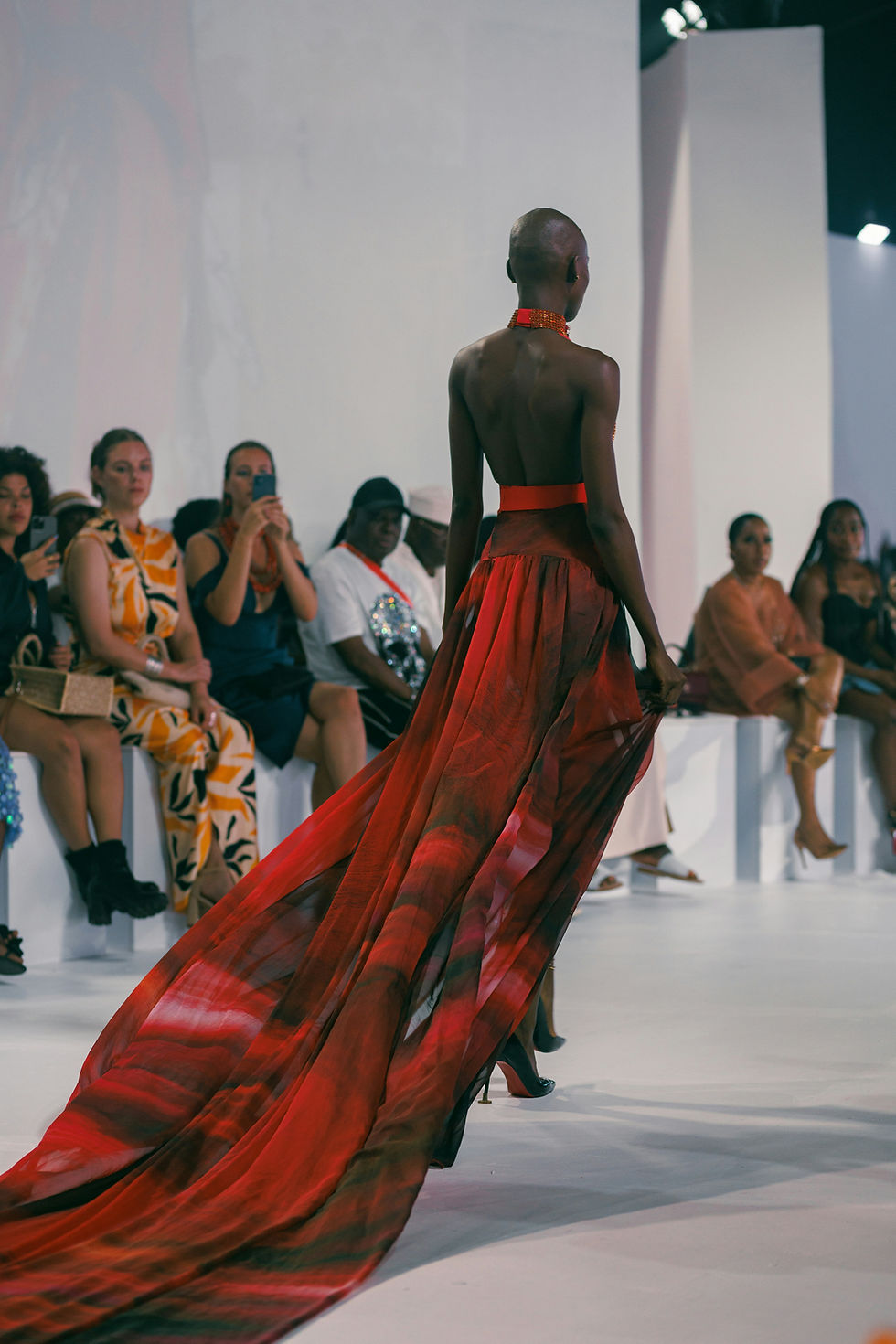
Forecasting pulls from multiple sources:
Global forecasting agencies (e.g., WGSN)
Runway shows and fashion weeks
Retail sell-through data
Macroeconomic and lifestyle shifts
Each source offers a piece of the story. The goal is pattern recognition.

Translating Data Into Product Decisions
Forecasting becomes powerful only when translated into specific product attributes.
Signal Source | What It Reveals | Product Application |
WGSN reports | Macro color and lifestyle direction | Seasonal color palette selection |
Catwalk analysis | Hemlines, tailoring, volume changes | |
Social media trends | Micro-trends & rapid adoption | Capsule collections, test drops |
Retail analytics | Commercial validation | Reorders, fabric investment scaling |
Cultural shifts | Consumer mindset | Comfort-driven design, sustainability focus |
For example, if runway shows highlight relaxed tailoring and social platforms show rising engagement around hybrid workwear, brands can adjust upcoming collections toward fluid suiting in adaptable fabrics.
This is forecasting at work—converting observation into SKU-level decisions.

Reducing Overproduction Through Smarter Planning
Overproduction remains one of the fashion industry's most persistent challenges. Forecasting mitigates this by:
Narrowing assortments to high-confidence directions
Scaling test runs before full production
Aligning inventory depth with validated demand
Integrating pre-order or limited drops
Instead of producing broadly and discounting heavily, brands produce strategically and replenish based on demand signals.
The environmental and financial implications are significant.
A Practical Forecasting Workflow:
A Simple Forecasting Checklist for Fashion Teams
Define the consumer shift
What lifestyle or behavioral change is driving demand?
Cross-reference agency insights
Compare internal data with WGSN or similar forecasting resources.
Analyze runway and street adoption
Look for repetition across designers and regions.
Validate with retail data
Are similar items outperforming?
Translate into product briefs
Specify color codes, fabric weights, silhouette dimensions.
Test before scaling
Review sell-through and adapt
Forecasting is not a one-time prediction—it’s an iterative loop.
Building Analytical Confidence
Creative intuition remains valuable. But as data volumes grow, fashion professionals increasingly seek structured ways to interpret signals, measure outcomes, and communicate findings across departments.
For those wanting deeper fluency in analytics and measurement, pursuing formal education can accelerate capability. An online master’s program in data analytics can provide structured training in forecasting models, data storytelling, and performance measurement. Designed for working professionals, programs like this resource may help, offering term-based progress measured in competency units and flexibility to move faster when time allows. For fashion leaders looking to move beyond instinct and toward evidence-backed decision-making, structured analytics education can strengthen forecasting confidence.
Industry Intelligence Beyond the Runway
One valuable external source for industry context is Business of Fashion (BoF). Their reporting frequently examines consumer behavior shifts, sustainability pressures, and retail performance trends.
Resources like this complement agency forecasts by connecting cultural analysis with commercial implications.
FAQ: Trend Forecasting in Fashion
What’s the difference between a fad and a forecasted trend? A fad emerges quickly and fades quickly. A forecasted trend is supported by cross-market signals and sustained consumer adoption indicators.
How far ahead should brands forecast? Typically 12–24 months for macro trends (color, fabric direction), and 3–9 months for micro-trends influenced by social media.
Do small brands need forecasting agencies? Not necessarily. Smaller brands can combine social listening, retail analytics, and runway observation effectively.
Is forecasting only about aesthetics? No. It includes price sensitivity, sustainability expectations, fabric innovation, and lifestyle shifts.
The Strategic Advantage of Alignment
When forecasting is integrated properly, collections align with:
Consumer mood
Economic realities
Cultural movements
Functional lifestyle changes
This alignment improves sell-through rates and reduces inventory waste. It also sharpens brand positioning—collections feel relevant because they are rooted in real-world context.

Trend forecasting in the fashion industry is no longer optional; it’s operational. By blending agency intelligence, social signals, runway analysis, and retail data, brands can anticipate emerging colors, fabrics, and silhouettes with greater accuracy. The payoff is tangible: reduced overproduction, stronger commercial performance, and collections that meet consumers where they are—just before they realize they want them.
Have comments or questions? Leave us a comment! Thank you Lisa for contributing this article!


Shopping online for clothing and accessories can sometimes lead to questions about sizes, delivery times, or returns. While many things go smoothly, it’s reassuring to know help is available if needed. That’s why people often look up the midnight velvet phone number when they want to quickly resolve an issue or get more information.