
Self-Care Strategies Every Fashion Entrepreneur Needs to Thrive

For early-stage fashion entrepreneurs building sustainable lines, designers, merchandisers, and small-studio founders, the work rarely fits inside a normal day. Between launches, fittings, client feedback, and supplier fires, the fashion industry challenges reward constant availability, and entrepreneurial well-being becomes an afterthought. The core tension is clear: balancing business demands often means trading sleep, meals, movement, and quiet thinking time for one more task. Treating self-care as part of the job creates room to lead with steadier judgment, clearer boundaries, and a sustainable brand.

Understanding Self-Care as a Business Asset
Self-care is not a reward you earn after the launch. It is a set of repeatable routines that protect your mental, emotional, and physical capacity to run the company, since self-care means building routines that support your health. In practice, that means treating rest, food, movement, and quiet planning time as inputs to performance, not time “lost.”
This matters because fashion decisions stack up fast, and tired brains make expensive ones. When your baseline is steadier, you negotiate with more patience, lead with less reactivity, and spot issues earlier in sampling or production. The strategic value is real, since workplace mental health is increasingly treated as part of business strategy.
Picture a week of fittings and supplier delays right before a small-batch drop. If you skip meals and work late nightly, every email feels urgent, and every choice feels final. If you keep simple anchors like a real lunch and a short walk, you respond with clarity and keep the team calm.
From there, stress-management options help you stay regulated during peak seasons.
Try 4 Stress-Reduction Modalities Beyond the Usual Basics
Once you treat self-care as part of how you run your brand, it helps to have a few extra tools for the highest-pressure days.
Consider four safe, alternative stress-reduction options you can explore:
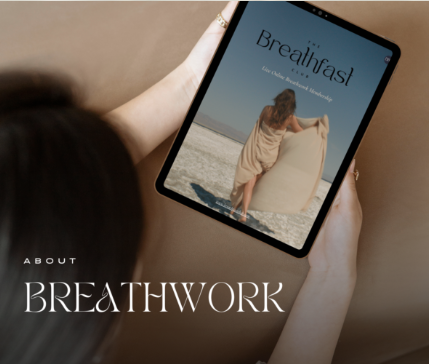
Mindfulness practices like brief meditation or breath awareness- try a Breathwork workshop, such as The Breathfast Club, for guided sessions
Gentle bodywork or massage for physical tension
Ashwagandha, a commonly used adaptogenic herb that promotes calm
Next, you’ll turn these ideas into a simple 15-minute plan you can use during busy fashion weeks.
Follow a 15-Minute Self-Care Plan for Busy Fashion Weeks
When your calendar is packed with fittings, production checks, content shoots, and last-minute supplier questions, self-care has to fit into the cracks. Use this 15-minute plan as a “minimum viable routine” you can repeat daily without derailing your workflow.
Schedule a non-negotiable 15-minute block: Pick one time that’s most stable during fashion week, right after coffee, before your first client call, or immediately after lunch, and protect it like a showroom appointment. Set a one-line intention before you start: move, downshift, or clear admin. This small structure reduces decision fatigue and supports the stress-reduction modalities you’ve been testing, because you’re giving your nervous system consistent cues.

Top 10 Exercises Do a 15-minute HIIT circuit (home or gym): Choose 5 moves and do 40 seconds on, 20 seconds off, for 3 rounds: bodyweight squats, incline push-ups (hands on a table), mountain climbers, glute bridges, and a plank. Keep intensity at “can’t sing, can talk” and focus on form over speed. Many busy founders like H
IIT workouts because the short bursts make fitness for busy schedules feel realistic when your day is unpredictable.
Use “movement snacks” between tasks: Every time you hit send on an email thread or finish a pattern review, stand up for 60–90 seconds: 10 slow calf raises, 10 shoulder rolls, and a forward fold with bent knees. If you can, add a brisk 5-minute walk during a natural transition like waiting for a courier or between studio zones. You can utilize lunch breaks for a quick walk instead of scrolling.
Run a 2-minute “physiological reset” before high-stakes moments: Before a buyer call, a factory negotiation, or a press interview, do three cycles of: inhale through the nose for 4, exhale slowly for 6, then unclench your jaw and drop your shoulders. Finish with one grounding step: name 5 things you can see in the room. This pairs well with your earlier relaxation experiments, providing a fast, repeatable “entry point” into calm.
Outsource one admin task per week (start tiny): Make a “$0 or low-cost delegation list” with tasks like inbox sorting, uploading receipts, formatting product descriptions, or tagging sample inventory. Choose one task that takes you 30–60 minutes weekly and hand off just that piece to a part-time helper or a trusted team member with a simple checklist. You’re not avoiding responsibility, you’re protecting creative direction and decision-making energy.
End the day with a 3-minute closeout to prevent mental spillover: Write down three bullets: what’s done, what’s next, and what’s blocking you. Then choose one concrete first step for tomorrow (example: “Approve trims for Style 04 by 10 a.m.”). This helps you leave work at work, so your recovery practices actually stick.
When self-care is this short and specific, it becomes easier to keep showing up for your brand, even when timelines are messy and everything feels urgent.
Self-Care Questions Fashion Founders Ask Most-Quick answers for the moments when work feels nonstop.
Q: How do I stop feeling guilty when I take breaks during a launch?A: Reframe self-care as risk management for decision quality, not a reward you earn. Set a measurable boundary like “10 minutes before approvals,” so it supports your work instead of competing with it. Remember that 88% of entrepreneurs struggle with mental health, so protecting your bandwidth is part of running a business.
Q: What if my production timeline is unpredictable and I cannot keep a routine?
A: Use an anchor habit that works in any environment: one glass of water, three slow breaths, and a 60-second posture reset. Track consistency by “days touched,” not perfect streaks. If you miss a day, restart at the next transition point.
Q: How can I prioritize self-care when everything is urgent?
A: Triage your to-do list into “revenue,” “reputation,” and “repeatable,” then only do one high-stakes item before your reset. Put the rest into a single capture list so your mind stops spinning. Urgency drops when you limit what gets to be “now.”
Q: Can self-care be effective if I only have a minute between fittings?A: Yes, start with taking a few seconds to interrupt stress momentum. Try 10 seconds of longer exhales, then relax your hands and jaw before you re-enter the room. Tiny reps add up when your day is fragmented.
Q: Should I treat self-care like another KPI in my ethical fashion business?
A: Treat it like a process metric, not a performance score. Choose one input to track, such as “movement minutes” or “lights-out time,” and review it weekly alongside margins and returns. If results dip, adjust the system, not your self-worth.
You can build a calmer brand and a calmer nervous system at the same time.
Build One Sustainable Self-Care Habit That Supports Your Fashion Business
In fashion, the pressure to push through guilt, deadlines, and constant urgency can make commitment to self-care feel optional. The steadier path is the mindset of small, repeatable routines that treat fashion business wellness like any other part of operations. Over time, sustainable success habits protect long-term well-being, sharpen creative decisions, and keep entrepreneurial motivation from burning out. Self-care isn’t a reward for finishing, it’s part of how the work gets done. Choose one habit today, set a tiny starting rule, and track it for seven days. That week of proof builds the resilience and stability that supports sustainable growth.

If you're seeking additional support and a community that elevates your journey, consider joining IFD Connect—our Insider community. Here, you can connect with like-minded individuals in the industry, experienced professionals, and interest groups tailored to your preferences. Expand your network, access valuable tools and resources, and participate in live community gatherings designed to support you in your creative endeavors.
Thank you Courtney for your contributions to ifd!!
Keep on consciously creating!

Britta Cabanos
Founder
Inside Fashion Deisgn


I've tested quite a few naming tools over the years, but this name generator surprised me with the variety. It helped me find a unique gaming nickname without spending ages brainstorming.
Self-care for fashion entrepreneurs cannot just mean candles and a Sunday reset. People building a clothing brand deal with samples, suppliers, photos, customer questions, and the quiet panic of wondering whether anyone will buy the next drop. A designer I know looked calm online and exhausted in real life because every small decision felt urgent. For affordable fashion buying, https://dresslily.pissedconsumer.com/review.html need real feedback around sizing, fabric, and shipping before it became part of any business or personal wardrobe decision. Clothing sources matter more when quality or delivery affects the whole plan.
Our company was searching for a reliable technology partner to build a modern prediction market solution, and Omisoft exceeded expectations. The developers were responsive, transparent, and focused on delivering quality throughout the entire project.
The project timeline was well organized, and we received regular updates on progress. One of the highlights was the flexibility of the team when adapting to new requirements. As development progressed, we saw how OmiSoft prediction market development expertise contributed to creating a secure and user-friendly platform that matched our vision perfectly.
The finished solution performs smoothly and has received positive feedback from our users. We appreciate the professionalism and dedication shown by Omisoft and look forward to future cooperation.