
The Secret to a Standout Collection: Why Research Comes First


Design & Development process: The importance of research
Hello Conscious Fashion Friend! Thank you for reading today- excited to share this issue with you! Looking for a specific topic? Let me know!
Kickstarting Our New Series
This month, we are introducing a new series that explores the basics of the creative process, with each month dedicated to different steps. In the design process. We start with a foundational approach: research, highlighting the significance of the groundwork that comes before the more noticeable aspects of design, like sketching or mood boards.
Research might not be the flashiest topic out there, but it's super important for creating a standout collection. The most successful designs usually come from some solid groundwork done before the fun creative stuff starts. In this issue, we’re sharing insights on this crucial first step, and I'm excited to take you on a walk down this path with you! Let's dive in- Before You Sketch: How to Research a Fashion Collection
The Guess Isn’t a Strategy
The pattern I often see among designers just starting to build a brand is that the sketch comes before the thinking; they feel a certain shape is right, a particular color is right, and then build the collection on that feeling. It isn't until weeks or months later, though, that they face the more difficult question – namely, who is this actually for and why would they buy it? It is far cheaper to answer that question before you cut even a single yard of fabric.
Research is not the opposite of creativity; it gives creativity a place to end up. If there is no research, you're not actually designing—you're merely guessing and hoping that your guess is good enough to cope with being seen by a buyer, a customer, or your own production budget.

What Research Actually Means for a Collection
Actual design research isn't something like a Pinterest board; it's more like four separate discussions that you have to carry out before you can consider a concept to be finished. For each discussion, you will need to interact with the world around you: gather concrete information and insights, not just rely on instinct or inspiration. This could include interviewing real people who fit your target profile, reviewing customer feedback from past seasons, analyzing successful and failed competitor collections, or spending time in stores to observe how shoppers engage with different products. The goal is to get beyond assumptions and access the real needs, desires, and habits of your future customer. By taking these practical steps in each area of research, you ensure your ideas have both a foundation and a vision.
Who is she (or he or they)? Not some generalized 'target customer', but a particular individual—one who has certain habits, a certain level of price sensitivity, some of the items already in her wardrobe, and those that she can't find anywhere.
What is the emotional tone? It is the mood that the customer is embracing, just as much as the garment itself.
What practical function does she really want it to have? For example, it should be suitable in design and appropriate for the occasion.
What is the visual language? It's silhouette, color, and texture—the aspect that people generally think research jumps straight to, when in fact it's the fourth of the four and not the first.
Omitting one of these, the range could still look beautiful, but it would fall short when it came to making actual decisions—such as which two fabrics to select, which silhouette remains after the editing process, and which SKU to reorder. A concept that doesn't enable you to decide between two alternatives isn't really a concept at all; it's merely a feeling.
Research Protects You From Yourself
There's another, subtler reason this matters. If left uncontrolled, instinct has a tendency to return to what is already familiar, to the references you already admire and the styles you've already created. That isn't a fault of yours; it's simply how instinct functions. It is through research that you break free from this cycle.
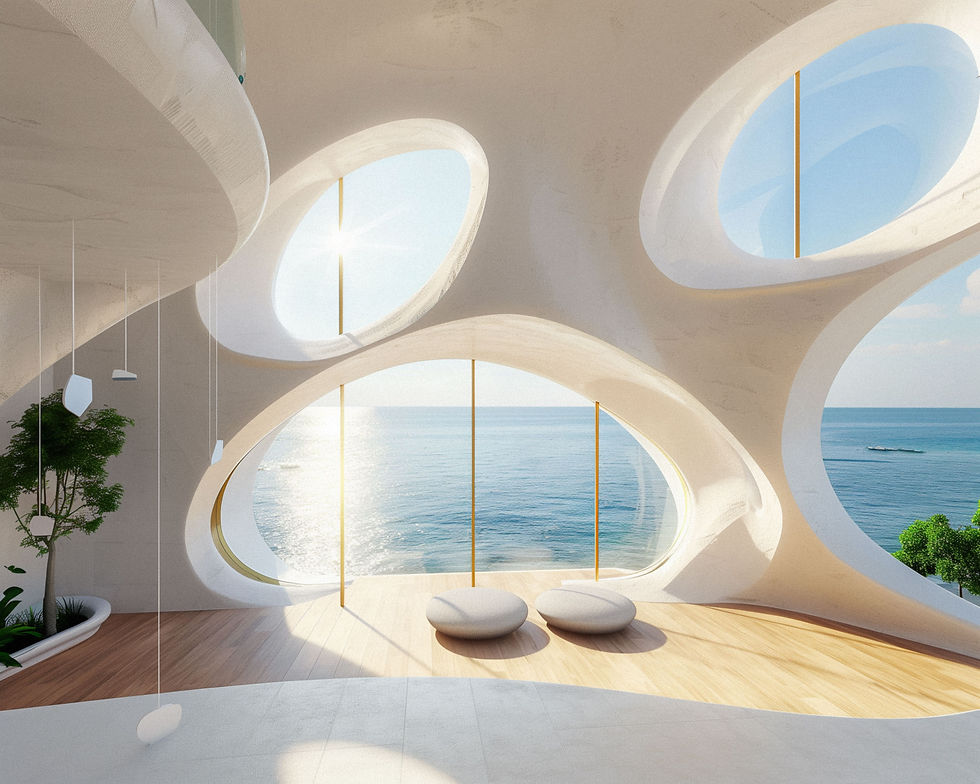
To broaden the sources of creative inspiration, make a habit of looking beyond your usual references. This could mean exploring unfamiliar art forms, seeking cultural influences outside your comfort zone, or even spending time in environments not associated with fashion. For example, study music, architecture, technology, or natural phenomena to spark original ideas you would not encounter otherwise. Connect with people from different backgrounds or perspectives and ask what inspires them, or revisit museums and neighborhoods you would not normally visit. In this way, research becomes not just a tool for validation but a bridge to unfamiliar territory.
Research involves the discipline of studying runway shows, street style, archive collections, textiles, art, and market trends before allowing your hands to move. This ensures the final result on the page is based not only on what you already prefer.
This is also where the business justification and the creative justification for a collection come together. The research which shows who you are designing for is the same research that enables you to assess whether there is a market for it; grounded direction is not only leading to better design but is a wiser decision.
What’s Ahead This Month
We are not including any trend predictions, since New York Fashion Week's actual story of this season's shows deserves its own section once we've been on the ground. The recap will be coming later this month.
At this stage, prior to the shows, prior to the sketch, before the fabric is ordered: carry out the research. Research doesn't delay the collection; it brings it about. (psst....I also think it's fun!).
To help you get started, here are some actionable first steps you can take:
Create a detailed customer profile by outlining demographic details, lifestyle habits, and purchasing motivations.
Review feedback from your past customers or audience to identify unmet needs or common desires.
Gather market data on trends, competitor offerings, and pricing structures relevant to your concept.
Observe shopping behavior in stores or online platforms to see what draws attention and what is overlooked.
Schedule short interviews or informal conversations with potential customers to learn about their actual problems and wishes.
Begin with even one or two of these steps, and you'll have a strong, reality-based foundation for your collection. To make this easy, download this free PDF checklist:

Happy Conscious Creating!
Britta
As you carry out your own research this month, we’ll be going to New York Fashion Week ourselves.
You can take part this season in several ways: the Unique Fashion Show, the Global Fashion Alliance Times Square Showcase, and Made with Intention 2. Find out more on our home page under EVENTS and join us!


Thank you for your sharing. I am worried that I lack creative ideas. It is your article that makes me full of hope. Thank you.
StreamEast Live
توفر الخدمات التعليمية الإلكترونية طرقاً أكثر سهولة لمتابعة المعلومات الدراسية. ويمكن أن يكون massar service مفيداً للطلاب وأولياء الأمور الذين يبحثون عن شرح واضح للخدمات المتاحة. عندما تكون المعلومات مرتبة ومحدثة، يصبح من الأسهل معرفة التفاصيل المطلوبة والاستفادة من المصادر التعليمية بطريقة عملية.
I found the article well organized, and the writing made it easy to stay focused on the main subject. The explanations were not overloaded with technical language, which helped the information feel more accessible. I also liked that several practical questions were addressed along the way. I happened to see 12th class result 2026 board wise while checking some related information and began wondering how students from different boards keep track of their own announcement dates. Since several boards are involved, a simple board-by-board timeline could probably answer a lot of common questions.
Starting with research instead of sketches makes a lot of sense. It gives the collection somewhere to go. https://slope4.io/
The breakdown of the Spring/Summer 2027 palette is really interesting, especially the contrast between bold shades and more wearable neutrals. I like the idea of using one strong color as an accent instead of letting the entire outfit become overwhelming. That approach can work for everything from everyday fashion to statement pieces such as dumb and dumber tuxedo costumes, where color and styling are a big part of the overall look. The advice about testing colors with actual fabrics is also a useful point for designers.