
Breaking the Binary: How Gen Z Is Redefining Personal Taste in Fashion

by Contributing Writer; Vala Flynn
For decades, the fashion industry relied on clear categories. Menswear and womenswear. Masculine and feminine. Classic and avant-garde. These labels helped brands design collections, segment audiences, and sell products. Source: RDNE Stock project. But Gen Z is rewriting those rules.
Born roughly between the late 1990s and early 2010s, this generation has grown up in a hyperconnected world where identity is fluid and personal expression is highly visible. Through social media, digital communities, and a culture that celebrates individuality, Gen Z has developed a very different relationship with style.¹
For fashion professionals, understanding this shift is essential. Gen Z is not simply following trends. They are reshaping how taste itself is defined.
Personal Taste Is No Longer Linear
In previous generations, personal style often followed a predictable path. A consumer might identify with one aesthetic and stay within its boundaries. Minimalist, sporty, elegant, edgy. Each style had a clear visual language. Gen Z approaches taste differently.
Instead of committing to a single identity, they mix references freely. A vintage leather jacket might be paired with oversized athletic shorts. A thrifted dress might be styled with chunky sneakers like the Converse Chuck Taylor All Star, layered with bold socks and unexpected accessories. Originally introduced as a basketball shoe in the early 20th century, the silhouette has remained largely unchanged and continues to thrive as a casual fashion staple.²
The goal is not cohesion in the traditional sense, but authenticity.
For brands and designers, this means rigid aesthetic categories are losing their power. Gen Z consumers build wardrobes that reflect moods, moments, and micro-identities rather than fixed labels.
Taste, for them, is not a straight line. It is a collage.
Gender Boundaries Are Rapidly Dissolving
One of the most visible ways Gen Z is breaking fashion’s traditional binary is through gender expression. Younger consumers are far less interested in clothing that is explicitly coded as “for men” or “for women.” Instead, they gravitate toward pieces that allow freedom of styling. Oversized tailoring, relaxed silhouettes, and modular garments are increasingly popular because they adapt easily to different bodies and identities.³
Accessories also reflect this shift. The Telfar Medium Shopping Bag, often described as a “bag for everyone,” has become a cultural symbol of inclusive design. Its appeal lies not only in its minimalist aesthetic but also in the brand’s commitment to accessibility and gender-neutral marketing.⁴
For professionals across the industry, the takeaway is clear: design language is becoming more universal. Fit, texture, and mood often matter more than gender categories.

A Culture Built on Discovery
Gen Z’s sense of taste is deeply tied to discovery. Platforms like TikTok, Instagram, and Pinterest act as real-time inspiration engines where trends emerge, evolve, and disappear quickly.⁵ Source: RDNE Stock project. But unlike traditional fashion cycles, Gen Z does not simply adopt what they see. They remix it.
A niche aesthetic might start with a small community online and then spread across different subcultures. Elements are borrowed, reinterpreted, and layered with other influences. A classic sneaker like the Adidas Samba OG, once associated mainly with sports culture, can suddenly become part of a retro streetwear look or a minimalist capsule wardrobe.⁶
For industry professionals, this creates both a challenge and an opportunity. Predicting trends in the traditional sense is harder, but observing communities and micro-movements can reveal where taste is heading next.
Vintage, Sustainability, and Storytelling
Another defining feature of Gen Z taste is the growing importance of narrative. This generation values pieces with a story. Vintage finds, second-hand clothing, and reworked garments often feel more exciting than something brand new. Not only do these pieces support sustainability, but they also add uniqueness to a wardrobe.⁷
Thrifting culture has become a major influence in fashion, shaping how young consumers evaluate value and originality. A jacket from the 1990s discovered in a local shop can carry more cultural capital than a mass-produced item from a global brand.
Fashion professionals are responding by leaning into storytelling. Capsule collections inspired by archives, upcycled materials, and transparent supply chains resonate strongly with Gen Z audiences.⁸
The product itself is only part of the equation. The narrative behind it is just as important.
Personal Taste Extends Beyond Clothing
For Gen Z, style is not limited to clothing. It extends to grooming, fragrance, technology, and lifestyle choices. Their approach to beauty and scent mirrors the same philosophy seen in fashion: experimentation without strict rules. Traditional marketing often segmented fragrances by gender or occasion, but younger consumers are less interested in those boundaries.⁹
They might wear a smoky scent like Maison Margiela Replica By the Fireplace Eau de Toilette with a soft pastel outfit, or pair a clean, woody fragrance such as Le Labo Santal 33 Eau de Parfum with an oversized hoodie and vintage denim.
Exploration is part of the fun, and services like a perfume subscription appeal to this mindset by allowing people to test different fragrances without committing to a single identity. This fluidity reflects a broader shift. Personal taste is becoming multi-dimensional, blending visual style with sensory experiences.
The Rise of Micro-Aesthetics
Another major influence on Gen Z taste is the explosion of micro-aesthetics. Terms like “coastal cowgirl,” “dark academia,” or “clean girl” aesthetics might sound playful, but they reveal something deeper about how younger audiences interact with fashion. These labels function as creative frameworks rather than strict categories.¹⁰
A consumer might explore one aesthetic for a few months and then move on to another. Each phase becomes part of a larger style journey.
For fashion brands, this constant experimentation means that versatility is more valuable than permanence. Pieces that can move across aesthetics tend to perform better because they support creative styling.
Think oversized blazers, neutral knits, statement boots, or adaptable accessories that work across multiple looks.
Authenticity Over Perfection
If there is one value that defines Gen Z taste, it is authenticity.
Highly polished, overly curated branding often feels distant to this audience. They respond more positively to realness, whether that appears through behind-the-scenes content, honest storytelling, or diverse representation.¹
This does not mean aesthetics are less important. On the contrary, Gen Z has a sharp eye for design. But they are quick to notice when something feels manufactured purely for marketing. Brands that show their creative process, highlight the people behind the product, or engage openly with communities often build stronger connections with younger audiences. For industry professionals, authenticity is becoming a core design principle rather than just a marketing strategy.
Sources / References
Pew Research Center – On the Cusp of Adulthood and Facing an Uncertain Future: What We Know About Gen Z
Converse – History of the Chuck Taylor All Star
McKinsey & Company & Business of Fashion – The State of Fashion Report
https://www.mckinsey.com/industries/retail/our-insights/state-of-fashion
Telfar Official Website
Hootsuite – Digital Trends Report
Adidas – Samba Product Page / Brand History
ThredUp – Annual Resale Report
Global Fashion Agenda – Pulse of the Fashion Industry Report
Circana (NPD Group) – Beauty Industry Insights and Fragrance Trends
Pinterest – Pinterest Predicts Trend Report
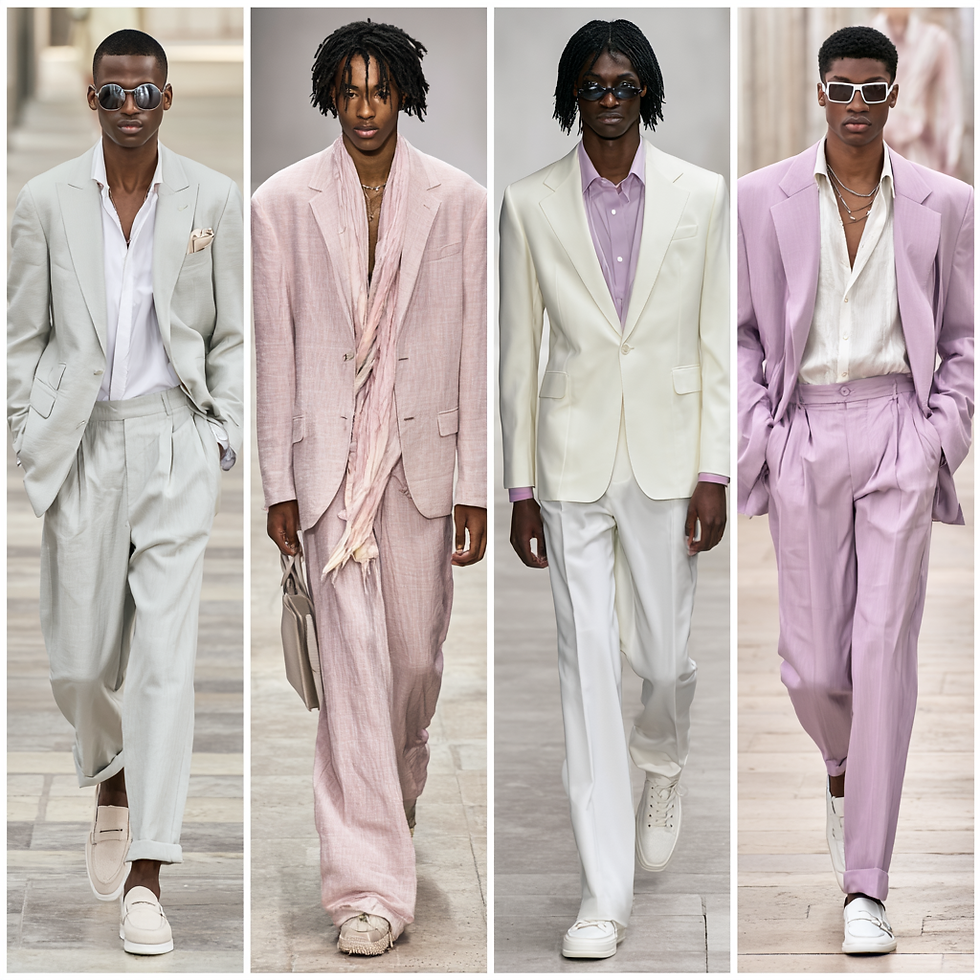


The discussion about Gen Z moving away from strict ideas of what is traditionally “masculine” or “feminine” in clothing was the part I found most interesting. The examples of people mixing oversized pieces, traditionally feminine details, and different silhouettes show how personal style can be more about comfort and identity than following an established category. I also liked the point that social media has made these combinations much more visible, allowing people to see styles they might not encounter in everyday life. It made me think about how quickly fashion labels can become outdated. In a completely different context, Edexcel Assignment Help UK also reflects how personal needs can shape individual choices.
El fútbol americano es de esos deportes que disfruto más cuando puedo seguir los partidos y analizar las estadísticas de cada equipo. Suelo fijarme en la forma reciente, las bajas y el rendimiento como local o visitante antes de tomar cualquier decisión. Para revisar los encuentros y las apuestas nfl, suelo consultar la sección de fútbol americano en directo de Jugabet.
Really enjoyed reading this piece! The point about personal style no longer being linear, but rather a "collage" of mixed references like pairing classic Converse Chucks with oversized shorts or thrifted dresses spot on. It feels like Gen Z approaches dressing more like curating a mood board than sticking to rigid fashion categories.
Really enjoyed reading this piece! The point about personal style no longer being linear, but rather a "collage" of mixed references like pairing classic Converse Chucks with oversized shorts or thrifted dresses spot on. It feels like Gen Z approaches dressing more like curating a mood board than sticking to rigid fashion categories.
Between juggling university deadlines and searching for Urgent Assignment Help Australia students often talk about on campus, it’s interesting to see how self-expression through fluid fashion has become such a stress reliever. It definitely makes you wonder how traditional fashion labels will adapt long-term if consumers keep rejecting binary boundaries and fixed aesthetic rules in favour of genuine personal authenticity.
Personal taste in fashion has started to shift a lot with younger generations experimenting beyond traditional labels or categories. Instead of following rigid trends, many people mix styles that reflect mood, culture, or identity. In a conversation about brand reputation and corporate structures, a colleague pointed toward https://www.pissedconsumer.com/company/corporate/customer-service.html as an example of how large organizations are often evaluated through everyday customer interactions rather than marketing campaigns. It’s interesting how discussions about identity and fashion eventually circle back to how companies build trust with their audiences.
Students often face intense academic pressure due to multiple deadlines, part-time jobs, and personal responsibilities. In such situations, it’s common to look for reliable academic assistance.